
The book club
Welcome to The Illustrators’ Book Club! Where every fortnight I pick a fiction book to read, review and re-create the cover for.
book of the month
the artificial silk girl
By Irmgard Keun
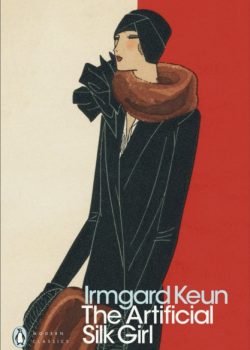
.
book review: the Artifical silk girl
The Artificial Silk Girl is the kind of novel that feels surprisingly modern, even though it was first published in 1932. Told through the diary-like voice of its protagonist, Doris, it captures the restless energy of a young woman determined to become “a glittering piece of life” in a world that doesn’t have much patience for her ambitions.
Doris is not your typical heroine. She’s impulsive, self-inventing, often contradictory, and sometimes frustratingly naive. After a series of missteps in her provincial hometown, she heads to Berlin in search of fame, wealth, and excitement. What follows isn’t a tidy coming-of-age arc but something far messier—and far more interesting. Doris drifts from one situation to another, attaching herself to men who might offer her stability or status, all while trying to hold onto her sense of self-worth.
What makes the novel stand out is Doris’s voice. It’s chatty, sharp, and full of personality, veering between bravado and vulnerability. One moment she’s convinced she’s destined for greatness; the next, she’s painfully aware of how precarious her situation is. That tension gives the book its emotional pull. You don’t always agree with her choices, but you understand the forces shaping them—economic hardship, limited opportunities for women, and the seductive promise of glamour in a rapidly changing city.
Berlin itself is vividly present, not as a romantic backdrop but as a place of extremes. There’s nightlife, possibility, and a sense of cultural buzz, but also poverty, instability, and loneliness. Doris’s experiences reveal the gap between the image of a dazzling modern life and the reality of scraping by. The title becomes especially meaningful here: “artificial silk” suggests something that looks luxurious but lacks the substance of the real thing. Doris, in many ways, is trying to wrap herself in that illusion.
Irmgard Keun’s writing is deceptively simple. The prose is accessible and often humorous, but it carries a quiet sharpness in how it observes social dynamics, especially around gender and class. There’s a clear critique of a society that measures women’s value through beauty and charm while offering them few genuine paths to independence. At the same time, Keun doesn’t turn Doris into a moral lesson. She’s allowed to be flawed, opportunistic, and searching, which makes her feel real.
One of the novel’s strengths is its refusal to provide easy answers. Doris doesn’t neatly “learn” or transform in the way you might expect. Instead, the story captures a particular moment in her life—a snapshot of youth, ambition, and uncertainty. That openness might feel unsatisfying if you’re looking for resolution, but it’s also what gives the book its authenticity. Life, after all, rarely wraps things up so cleanly.
Reading The Artificial Silk Girl today, it’s hard not to notice how relevant it still feels. The pressure to curate a desirable image, the hustle for a better life, the blurred line between aspiration and illusion—these are themes that resonate just as strongly now. Doris could easily exist in a different era, chasing visibility and validation through whatever means are available.
Overall, this is a sharp, engaging, and quietly unsettling novel. It’s funny in places, melancholic in others, and always anchored by a compelling central voice. If you’re drawn to character-driven stories and are interested in the complexities of ambition and identity, it’s well worth picking up
the illustration
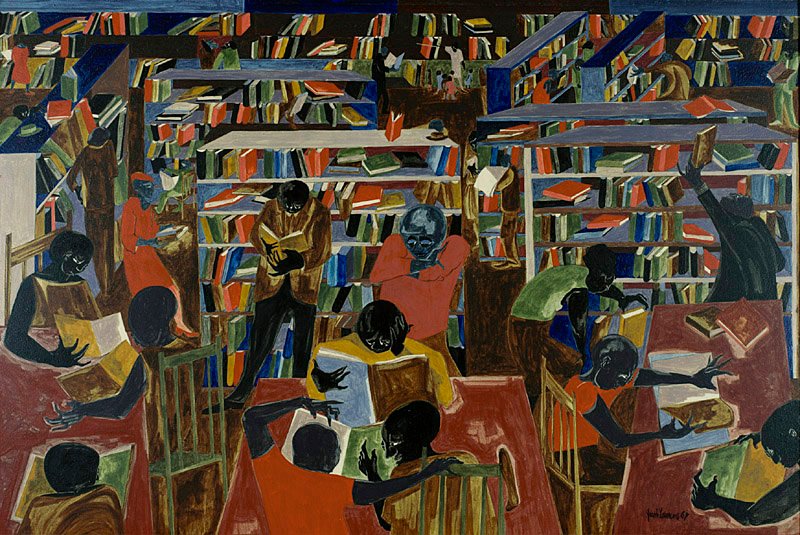
Lorem ipsum dolor sit amet, consectetur adipiscing elit. Ut elit tellus, luctus nec ullamcorper mattis, pulvinar dapibus leo.kkgvgjhb hiiuh consectetur adipiscing elit. Ut elit tellus, luctus nec ullamcorper mattis, pulvinar dapibus leo.kkgvgjhb hiiuhconsectetur adipiscing elit. Ut elit tellus, luctus nec ullamcorper mattis, pulvinar dapibus leo.kkgvgjhb hiiuh iugigygiugigyg
Previous books of the month
By Fyodor Dostoevsky
Dignissim egestas congue dolor netus nec eu, ut quis aliquam phasellus eu lectus arcu eget tellus commodo eleifend augue mattis sed.
By Fyodor Dostoevsky
Dignissim egestas congue dolor netus nec eu, ut quis aliquam phasellus eu lectus arcu eget tellus commodo eleifend augue mattis sed.

Upcoming book of the month
trainspotting
Ultricies nibh morbi amet fames in enim turpis aenean neque commodo nisi, tristique et nulla tellus.
